How to avoid ticket scams when buying FIFA World Cup 2026™ tickets


The FIFA World Cup 2026™ is fast approaching, with millions of football fans eager to get their hands on tickets to see their favorite teams and players live. Unfortunately, scammers may attempt to capitalize on the demand, using common scam tactics like fake resale sites, social media listings, or phishing messages.
Why scammers target FIFA World Cup 2026™ fans
Scammers are often particularly active during major events because they provide large numbers of potential buyers. The FIFA World Cup 2026™, for example, is one of the biggest sporting events on the global calendar. Viewing figures show that billions of people tune in to watch the games from home, while millions elect to buy tickets and attend in person.
The FIFA World Cup 2026™ stands to be a particularly appealing one for scammers because of its size. It’s the first tournament to feature 48 teams, which is much higher than the previous standard of 32. There will be more matches played at FIFA World Cup 2026™ and more fans in attendance than at any other football event in history, which means more people looking to buy tickets.
Scammers also know that tickets for the more exciting and high-profile FIFA World Cup 2026™ games can be quite expensive and difficult to acquire. As a result, they can use strategies like copycat websites, “too good to be true” prices, or pressure tactics to exploit fans’ emotions and trick them into paying for fake tickets.
The most common ticket scams targeting FIFA World Cup 2026™ ticket buyers
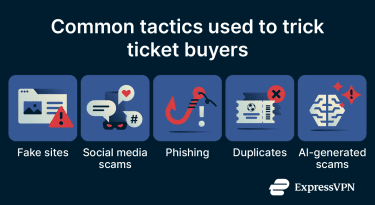 From creating fake websites to sending phishing messages, scammers use a range of tactics in their ticket scams. Here are some of the most common scam techniques for sports fans to be aware of.
Fake ticket websites
Scammers create fake websites that look like the official platform for FIFA World Cup 2026™ tickets. Users may arrive on these sites via phishing links or deceptive ads and attempt to purchase tickets, believing they’re using a legitimate platform.
In reality, the cybercriminals who own and operate these sites don’t usually have any legitimate tickets to sell. They may take people’s money and personal data without providing anything in return, often using multiple clone sites with similar domain names to target as many victims as possible before their sites are taken down.
Social media scams
This involves scammers posting on social media platforms such as Facebook, X, Telegram, and Reddit, claiming to have legitimate tickets for sale. They might even offer them at lower-than-average prices to lure in more buyers, and they may ask for payment via insecure methods, like wire transfers or peer-to-peer apps.
Once someone sends them money for a ticket, the scammer can simply disappear, deleting their account or blocking the buyer. It may be difficult for victims to get their money back after this kind of scam.
Phishing messages
Scammers send phishing messages that pretend to be from FIFA World Cup 2026™-related organizations, or a ticket reseller. These messages may be aimed at people who have already purchased tickets or those interested in buying tickets and may use urgent language or pressure tactics to encourage the victim to click a link or download an attachment.
A message might claim that a user needs to visit a site to confirm their ticket purchase, for example, or download a PDF containing their booking details. In reality, the links typically go to scammer-owned sites, where criminals can steal sensitive data, while attachments may contain malware.
Duplicate ticket scams
This involves scammers buying one legitimate FIFA World Cup 2026™ ticket and reselling it multiple times through unauthorized resale listings. These listings can appear on legitimate ticket resale sites, peer-to-peer marketplaces, or social media. On the day of the game, only the valid ticket holder at the time of entry will be admitted to the stadium. Anyone else who tries to enter with the same ticket may be refused entry.
AI scams
Scammers can use generative AI to make their scams more effective. They can generate fake pictures or screenshots of FIFA World Cup 2026™ tickets, for example, to post on resale sites or social media. Or they could use AI to help them write convincing phishing messages.
In-person ticket scams
Even though FIFA World Cup 2026™ tickets are mobile-only, scammers may still approach fans near stadiums, fan zones, hotels, or transport hubs claiming to have spare or extra tickets. These offers may start on social media or messaging apps, with the seller arranging to meet in person to complete the sale.
Scammers may show screenshots or confirmation emails or claim they’ll transfer the ticket after payment. These offers are risky because the ticket may be fake, already used, canceled, or never transferred.
How to spot fake ticket sites
Fraudulent ticket sites may look legitimate at first glance, but they may reveal warning signs on closer inspection. These include:
- Misspelled or irregular domain names: Scammers may be able to copy the design and layout of the official site, but they can’t host their site on the official domain. They’ll often use similar, copycat-style domains with a misspelled word or a different subdomain.
- Paper tickets or screenshots: FIFA World Cup 2026™ tickets are delivered as mobile tickets. The organizer says tickets will be made available closer to the event, with further details provided from mid-May 2026. Be wary of anyone offering paper tickets, printable PDFs, or screenshots as proof of entry. Despite this, scammers may still claim to have paper tickets or offer to share pictures or screenshots of them after you buy them.
- Unusual payment methods: Scammers may refuse to accept standard payment methods, such as credit cards. Instead, they might ask you to pay via a peer-to-peer payment app, wire transfer, gift cards, or cryptocurrencies.
- Pressure tactics: To encourage people to buy quickly without taking the time to think, scammers may use urgent language, countdowns, or claims that they only have one ticket left.
The risks of buying from third-party sites
The only official place to buy FIFA World Cup 2026™ tickets is through the organizer, which strongly recommends not purchasing tickets anywhere else. That includes social media platforms, unofficial resale sites, and third-party ticket sites. Some of the risks involved with purchasing from these platforms include:
- Invalid tickets: Scammers may sell fake or duplicate tickets on third-party sites. They sometimes use AI-generated pictures or fake booking messages to trick buyers. Fraudulent tickets may be rejected at the gates, preventing you from entering the stadium.
- No refunds: Tickets bought outside official channels may come with limited or conditional refunds, even on legitimate resale platforms. If something goes wrong, such as receiving an invalid ticket, you may have little or no recourse to recover your money.
- Data or identity theft: Scammers can use fake ticket sites and phishing messages to trick users into giving away personal data. They could ask for your passport number, for example, or save your credit card information if you enter it to make a payment.
- Overpaying: Unofficial sources may inflate ticket prices. As such, you might end up spending much more if you buy from a resale platform than you would from using the official ticketing platform.
How to avoid ticket scams
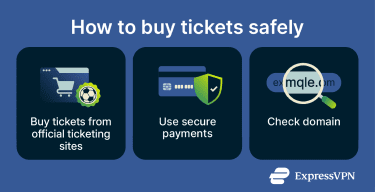 Fortunately, despite the fact that some ticket scams are quite elaborate, there are practical steps you can take to avoid them. Buying from official sources, using the safest payment methods, and double-checking details should help you stay safe while shopping for match tickets.
Only buy from authorized platforms
The safest way to avoid ticket scams is to buy only through official channels.
Scammers may try to tempt you into buying tickets on other websites by offering “too good to be true” prices, but even on legitimate ticket resale sites, there may be risk.
Use secure payment methods
When paying for your FIFA World Cup 2026™ tickets, it’s best to use a secure payment method in case anything goes wrong or the site is compromised.
Credit cards are usually a good choice, as they may allow you to initiate chargebacks and get your money back if you don’t receive your tickets. Digital wallets, like Apple Pay, Google Pay, and PayPal, are also secure choices, as well as virtual credit cards.
Verify domain names
As explained earlier, scammers may create fraudulent websites that closely resemble the real official platform to trick users into buying fake tickets or disclosing personal data.
To avoid this, make sure to check the domain name of the site you’re using when purchasing FIFA World Cup 2026™ tickets. Look closely for any slight changes in spelling, such as replacing letters with similar-looking characters (e.g., “1” instead of “I”).
Avoid deals that seem too good to be true
Given the popularity of the FIFA World Cup 2026™ and the number of fans who want to attend games, ticket prices are relatively high. This is especially true for the matches that are expected to be the most dramatic, like late-stage knockout games.
If you see tickets being offered online for extremely low prices, far lower than those seen on the official website, treat it as a red flag for a potential scam.
What to do if you get scammed
If you suspect or know you’ve purchased fake tickets or sent funds to a scammer, it’s important to stay calm but act quickly to increase your chances of avoiding further problems and, in some cases, getting your money back. Key actions to take include:
- Contact your bank/payment provider: Let them know what has happened, as they may be able to dispute the charge and help you get a refund. Note, however, that your chances of getting a refund will vary depending on your payment method, which is why it’s best to always use secure options, such as credit cards.
- Change passwords for compromised accounts: If you bought tickets on a fraudulent site and entered any personal information, your information may have been exposed. Update the passwords and enable additional security features, like two-factor authentication (2FA), for any compromised accounts.
- Report the incident: Those based in the U.S. can report any suspected scammers to the Federal Trade Commission (FTC) via the official Report Fraud website. You can also report scams through consumer protection agencies or cybercrime units in your country.
- Save evidence: Any evidence you can gather about the scammer will help to support your case and may aid in stopping them, protecting other people, and potentially getting your money back. So make sure to keep all evidence of the scam, like messages the scammer sent you or screenshots of the website you used to buy your tickets.
FAQ
How do I know if FIFA World Cup 2026™ tickets are legit?
Can I get my money back if I buy fake tickets?
Is it legal to resell FIFA World Cup 2026™ tickets?